The No-Tent Specialists
Your Home Deserves the Best Termite Protection

South Florida homes face termite pressure year-round. Hulett Environmental Services helps you stay ahead of it before damage becomes costly.
Icon
Image
Healthy Home Guarantee with 24-Hour Response
Icon
Image
Convenient Weekend & Evening Appointments
Image
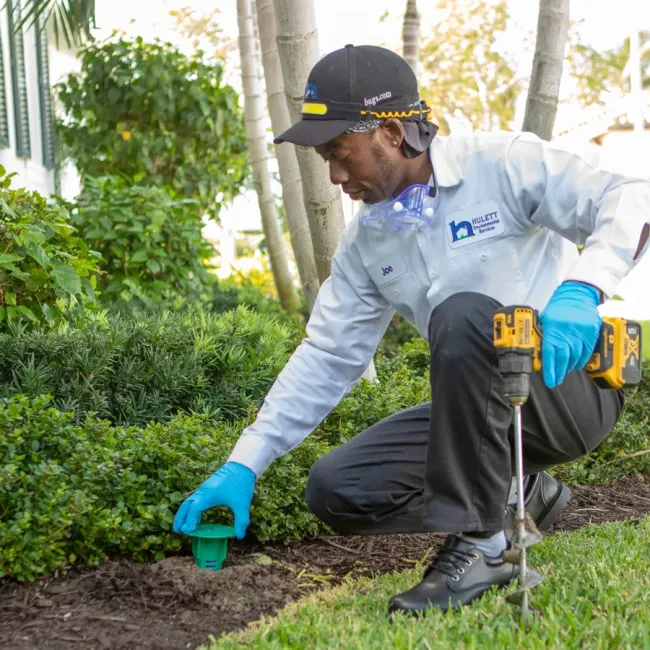
technician installing termite bait station
4.9
Over 6,000 5-Star Reviews
View Google Ratings

Termite Control Service in South Florida

Your home is one of your most valuable assets, and protecting it starts with knowing what's happening inside the walls. A professional termite inspection is the first step, and it can reveal problems that aren't visible to the naked eye.

Hulett Environmental Services gives your home the thorough, expert termite protection it deserves — here's what sets our Termite Control apart:

  • Full property inspections performed by trained technicians backed by entomologists on staff
  • No-tent treatment options, so your routine stays uninterrupted
  • Sentricon bait stations for continuous, science-backed termite monitoring
  • Species-specific treatment, including aggressive Formosan and native termites common to South Florida
  • Free re-treatment warranty, because protection shouldn't stop after the first visit
  • "On my way" texts before arrival and a full email report after every visit

Termites don't slow down, and neither does Hulett Environmental Services. With 58 years serving South Florida, our team knows exactly what local properties face and how to protect them for the long term.

Call today to schedule your inspection and get a free quote. Real people answer the phone, and next-day service is available.

$100 Off
Termite Control Service
New customers only. Cannot be combined with other offers.
Protect My Home
Hulett Environmental Services
Get a Free Quote
Name
Contact Info
Address (autocomplete)
By submitting this form, you are agreeing to the privacy policy.
Validation
Submission

3 Simple Steps to a Termite-Free Home

Image
on phone

1

Call For a Free Quote

Call us at 561-686-7171 for a free, no-obligation quote. We'll ask a few questions about your home, walk you through your options, and get you scheduled fast, no waiting, no runaround.
Image
people meeting

2

Get a Customized Treatment Plan

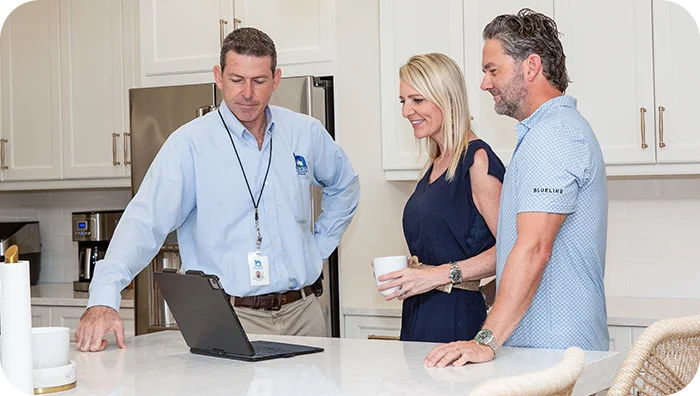
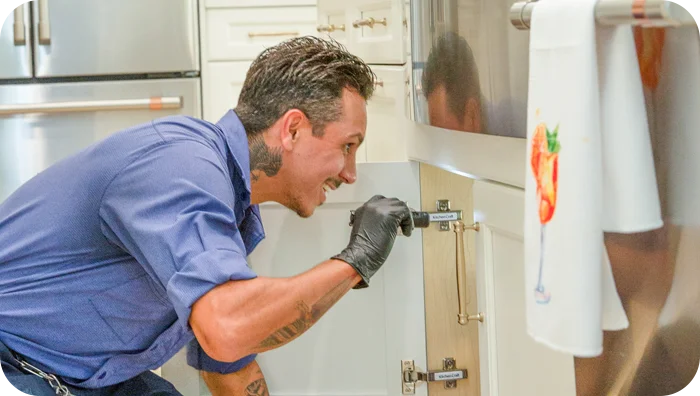
A trained Hulett technician will inspect your property, identify the source of the problem, and build a treatment plan tailored to your specific pest issue using the most effective, family-friendly methods available.
Image
man inspecting

3

Enjoy Ongoing Protection

After treatment, your technician continues to monitor and prevent future activity through scheduled follow-up visits. If pests come back between services, so do we. Free retreatments are included.

What Happens When You Schedule Termite Control

Every termite treatment visit from Hulett follows a structured, transparent process. From the moment your appointment is confirmed to the post-service report that lands in your inbox, you know exactly what was done and why. Formosan, Subterranean, and native termites are active across South Florida, and thorough documentation is not optional when your property is at stake.

Here is what to expect at every visit:

  1. Your technician sends an "on my way" text before arriving at your property.
  2. The technician checks in with you at the door before beginning any work.
  3. A full property inspection is completed, with species identification informing every treatment decision.
  4. Treatment is performed using the method best matched to your infestation, whether that is Sentricon bait stations, a liquid termiticide application, or an ongoing monitoring program.
  5. The technician checks back with you at the door when the service is complete.
  6. A detailed service report is emailed to you after every visit.

No assumptions are made about which treatment is right for your home. Hulett has entomologists on staff, which means species identification and treatment selection are grounded in science, not guesswork.

Nearly 60 Years of Trusted Service

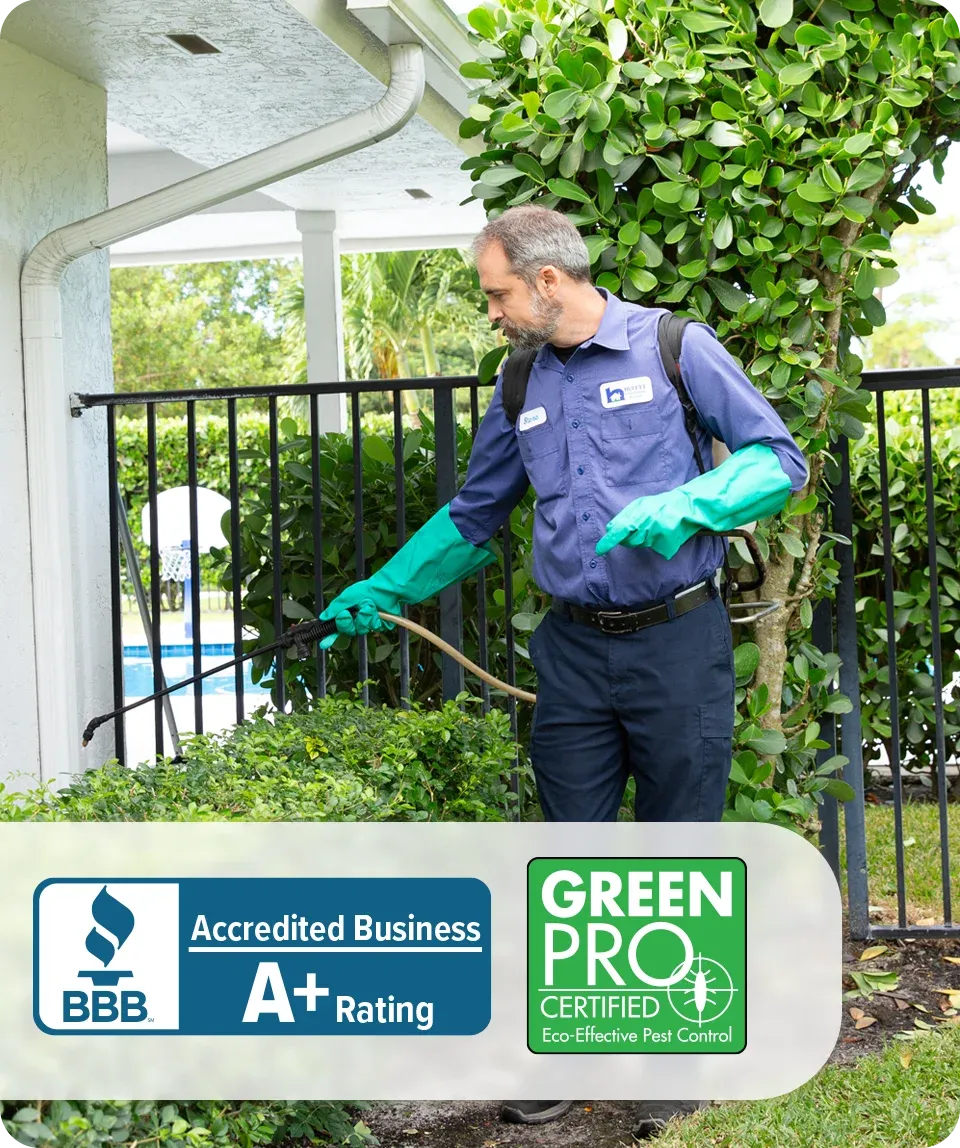
At Hulett, we've been solving pest problems since 1968. Our deep knowledge means we can tackle even the toughest infestations fast. With decades of fieldwork under our belts, we're fully equipped to identify issues quickly and get it right the first time.

Our proven expertise and longstanding commitment to the community ensure you're getting reliable service backed by years of experience. When you choose Hulett, you're choosing a partner who understands the unique pest challenges in our area and how to address them effectively.
Image
technician

Warning Signs Every Florida Homeowner Should Know

Termites are active year-round in Florida, and the damage they cause rarely shows up until it's already significant. The combination of heat, humidity, and invasive species like Formosan and Conehead termites makes this region one of the most challenging in the country for long-term wood protection. Knowing what to look for early is the first step toward keeping your home structurally sound.

Common signs of termite activity include:

  • Hollow-sounding wood when tapped, often in flooring, door frames, or support beams
  • Mud tubes along your foundation, exterior walls, or crawl spaces (a signature of subterranean and Formosan termites)
  • Discarded wings near windowsills, doors, or light fixtures following a swarm
  • Frass (small, pellet-like droppings) near baseboards, windowsills, or entry points
  • Bubbling, warped, or discolored paint on wood surfaces that resembles water damage
  • Tight-fitting doors or windows that have shifted without an obvious cause
  • Visible tunneling or galleries inside exposed wood

If you're noticing any of these signs, the infestation is likely further along than it appears on the surface. Termite colonies can number in the millions, and Formosan or Conehead colonies are especially aggressive, capable of causing serious structural damage in a much shorter window than native species. A thorough inspection by an experienced professional is the only reliable way to assess the full extent of the problem and determine the right course of action.

What Termites Actually Do to a Home Over Time

Termites cause more structural damage to homes in the United States each year than fires, floods, and storms combined, costing American homeowners an estimated $5 billion annually. In Florida, that risk is compounded by warm temperatures and high humidity that allow termite colonies to stay active year-round. That is not a seasonal problem. It is a permanent one.

Two Species That Are Especially Hard on Florida Homes

Not all termites behave the same way, and knowing the difference matters when it comes to protecting your home.

Subterranean Termites

  • Live underground and build mud tubes to reach the wood in your home
  • Colonies can number in the millions, making them one of the most destructive species found in Florida
  • Formosan termites, a highly aggressive subterranean species, are widespread across South Florida and consume wood far faster than other subterranean varieties

Drywood Termites

  • Live inside the wood itself, with no soil contact needed
  • Found throughout Florida in furniture, framing, and structural wood
  • Because they nest within the material they consume, infestations can go undetected for years while damage accumulates

Why Ongoing Protection Is Worth Having

A home is one of the largest financial assets most people own, and the damage termites do is rarely covered by standard homeowners' insurance. By the time structural compromise becomes visible, the repair costs are already high. Consistent monitoring and a treatment program in place mean problems are caught early, before they become expensive.

Here is what active termite protection gives you:

  • Continuous monitoring that catches new activity before it spreads
  • A documented warranty that protects your property value and supports real estate transactions
  • Free re-treatments if termites return between scheduled visits
  • Treatment decisions guided by entomologists on staff, not a one-size-fits-all approach
  • Sentricon bait stations, a science-backed system proven to eliminate colonies at the source

Hulett has entomologists on staff and technicians trained specifically for the species found in Florida, including Formosan and native termites that are more aggressive than what most out-of-market companies are equipped to handle. Every property gets an individual assessment. The right approach depends on the species, the severity, and the structure involved.

Understanding what you are dealing with is the first step, and choosing the right method to address it is where the real difference is made.

How the Sentricon System Eliminates Termite Colonies for Good

The Sentricon System works by placing bait stations in a protective ring around your property. Termites find the bait on their own, consume it, and carry it back to the colony. That shared exposure reaches every termite in the colony, including the queen, which is what makes it so effective. It is not just about controlling the problem. It is eliminating it at the source.

Many homeowners come to us after a standard termite inspection because they want a solution that actually holds up over time. Sentricon is backed by more than 60 scientific studies, and it has earned the EPA's Presidential Green Chemistry Challenge Award, the only termite treatment product to do so. That combination of scientific credibility and environmental responsibility is hard to beat.

Here is what Hulett clients get with the Sentricon System:

  • Total colony elimination, including the queen, not just surface-level termite control
  • Minimal disruption to your home, lawn, and landscaping during and after installation
  • Continuous monitoring so your property stays protected after the initial treatment
  • No restrictions around water sources or wells, making it safe for a wide range of property types
  • Visible, removable stations that notify you of any future termite activity
  • Protection backed by more independent research than any other termite control product available

If you have concerns about termites or want to talk through whether Sentricon is the right fit for your home, our exterminator team is standing by. We are ready to help.

WDO Inspections for Real Estate Transactions and Beyond

A Wood Destroying Organism (WDO) inspection is a certified visual assessment of a property that checks for active or past evidence of insects capable of causing serious structural damage. That includes termites, carpenter ants, carpenter bees, powder post beetles, and old house borers. A Hulett inspector examines accessible areas throughout the home, from crawl spaces and foundation walls to window frames, baseboards, and flooring, looking for telltale signs like mud tubes, bore holes, frass, discarded wings, and damaged wood.

For real estate agents, this inspection is a practical tool that keeps transactions moving. Many lenders require a WDO report before approving financing, and having one ready early removes a common obstacle at closing. Hulett delivers a standardized report that satisfies lender requirements and gives all parties a clear picture of the property's condition.

The inspection itself is non-invasive and focuses on readily accessible areas. If the inspector finds evidence of infestation or conditions that favor wood-destroying insects, the report will include that documentation along with recommendations for next steps. Any noted damage may need to be addressed before closing, so getting the inspection scheduled early in the process gives everyone more time to respond. Whether you're a buyer, seller, or agent coordinating on behalf of a client, Hulett makes it straightforward to schedule and get results you can act on.

Hulett Termite Treament

Meet the Termite-Nator

Frequently Asked Questions

What happens if I don’t treat a termite infestation?

If left untreated, termites can cause significant structural damage that could lead to expensive repairs. Over time, termites can weaken beams, flooring, and even the foundation of your home. Early intervention is key to preventing costly damage.

How can I tell if it’s a carpenter ant or a termite?
  • Body Shape: Termites have broad, straight bodies with no defined waist; carpenter ants have a narrow, pinched waist.
  • Antennae: Termites have straight antennae; carpenter ants have bent (“elbowed”) antennae.
  • Color: Termites are pale or light-colored; carpenter ants are dark brown, black, or reddish.
  • Wood Damage: Termites eat wood, leaving rough, mud-lined tunnels and mud tubes; carpenter ants tunnel into wood, leaving smooth galleries and piles of sawdust.
  • Wings: Termite wings are equal in length and longer than their bodies; carpenter ants have larger front wings and smaller hind wings.

Still unsure? Both Carpenter ants and Termites are dangerous wood-destroying insects!

Please call us as soon as possible to schedule an inspection.

Will termites go away on their own after termite season?

No. Termites are active year-round — swarm season makes them more visible, but colonies continue feeding and growing outside of it. Subterranean termites build mud tunnels that allow them to feed inside a structure for months or years without detection. Preventive termite treatments can intercept termites before they enter a structure.

Does Hulett offer a termite warranty?

Customers on a Hulett termite plan receive free re-treatments if termites return between services. Termite damage is not covered by standard homeowner's insurance, which makes ongoing preventive treatment an important consideration for South Florida homeowners. Contact Hulett for details on current plan terms.

What is the difference between drywood and subterranean termites?

Drywood termites:

  • Do not require ground contact or moisture
  • Live entirely within wood — structural timber or furniture
  • Smaller colonies than subterranean termites
  • Swarm generally after sunset, May through November
  • Swarmers are typically brownish

Subterranean termites:

  • Require ground contact or a secondary moisture source
  • Live in underground colonies and travel to wood to feed
  • Swarm during the day, typically spring and summer, often after heavy rain
  • Swarmers are typically small and dark

Treatment methods differ by species. A professional inspection is needed to identify which type is present.

What is a termite swarm and what does it mean?

A termite swarm occurs when an established colony releases winged reproductive termites to start new colonies. Subterranean termites typically swarm during the day; drywood termites typically swarm at night.

Swarmers are a sign of an active termite colony nearby or within the structure. If you observe a swarm, contact Hulett to schedule an inspection.

Do I need to have my home inspected regularly for termites?

Yes, regular inspections are crucial, especially if you live in an area with a high risk of termite activity. Annual inspections can help identify potential problems early and prevent extensive damage. Termite problems are often hidden from view, so professional inspections are the best way to spot an issue before it becomes severe.

Could there be termites on my property right now?

Yes. Termites forage continuously for new food sources. A standard residential lot in South Florida can support three to four active subterranean termite colonies simultaneously, each potentially containing up to a million individual termites. Because termites often feed inside wood without visible surface signs, an infestation can be well established before it is detected. Routine inspections are the most reliable way to catch activity early.

How can I prevent termites from entering my home?

Here are a few preventive measures:

  • Keep wood away from your foundation—don’t store firewood, mulch, or wood debris close to your house.
  • Seal cracks and gaps in your foundation and around windows, doors, and pipes.
  • Repair leaks promptly to reduce moisture in areas like basements and crawl spaces.
  • Consider a termite barrier or treatment for additional protection, especially if you live in an area prone to termites.
What termite treatment options does Hulett offer?

Hulett offers treatment options for both drywood and subterranean termites.

Drywood termites:

  • Structural fumigation (tenting): The entire structure is enclosed and treated with fumigant gas. Residents and pets must vacate for several days. Used for widespread or difficult-to-access infestations.
  • No-tent treatment: A non-repellent liquid, foam, or dust is injected directly into termite galleries. No need to vacate or remove plants or household items. Suitable for localized, accessible infestations.

Subterranean termites:

  • Liquid Defense Treatment: A liquid termiticide is applied to the soil around the structure's perimeter, creating a treated zone. Widely used across the U.S.
  • Termite baiting system: Bait stations are installed around the property perimeter. Termites locate the bait and carry it back to the colony, where it spreads through the population via an insect growth regulator.

The appropriate method depends on the termite species, the extent of the infestation, and the property's access. A termite inspection determines the best approach.

How do termites enter my home?

Termites enter your home through small cracks or gaps in your foundation, walls, or around pipes and electrical lines. They can also find their way in through wood-to-ground contact or overexposed, untreated areas like wooden decks, fences, or firewood piles.

What are the pros of termite bait stations?

Termite bait stations are installed around the property perimeter and use an insect growth regulator that prevents subterranean termites from molting and developing correctly, ultimately eliminating the colony. They can be used as both a preventive measure and a curative treatment for active infestations.

Advantages of termite bait stations:

  • Low environmental impact — product is contained within the station and specifically targets termites
  • Termites are attracted to the bait over wood, which draws foraging termites away from the structure
  • Eliminates the colony rather than creating a repellent barrier
  • No intensive digging or drilling required during installation
  • Works on most structure types, including those where other treatment methods are not feasible
  • Compatible with other termite control methods
How long does it take termites to cause damage?

Termites can begin to cause significant damage surprisingly quickly. The exact timeframe depends on factors like the size of the infestation and the type of termites, but in general:

  • Subterranean termites (the most common type) can cause visible damage in as little as 3 to 6 months in a heavily infested area. These termites typically start in hidden areas and work their way into the wood of your home, eating it from the inside out.
  • Drywood termites may take several years to cause noticeable damage, as they usually infest smaller areas of wood and are more difficult to detect early on.

In the early stages of an infestation, termites often cause little visible damage. The wood they eat from the inside may look normal on the outside, making it easy for homeowners to miss the signs. However, as they continue to feed, structural damage can escalate quickly, compromising the integrity of your home’s framework. It’s crucial to address any signs of termites early, as even a small infestation can lead to significant damage if left untreated. Regular inspections can help catch potential problems before they become costly.

What termite treatment would Hulett recommend for my home?

Different termite species require different treatment approaches. Hulett provides options for both major types found in South Florida.

For drywood termites, options include structural fumigation (tenting) or a no-tent localized treatment. The choice depends on the extent of infestation and accessibility of affected areas.

For subterranean termites, options include a soil-applied liquid termiticide (Liquid Defense) or a perimeter baiting system. Both eliminate active colonies; the right choice depends on property conditions and customer preference.

A professional termite inspection will identify the termite species present and determine the most appropriate treatment method.

What are the most common types of termites?

There are three primary types of termites that can infest homes and properties: Subterranean, Drywood, and Formosan termites. Each type behaves differently, has unique characteristics, and requires different approaches to control and treatment. Subterranean termites are the most destructive and widespread type of termites in the United States!

Should I be concerned if my neighbors have termites?

Yes. Termite colonies, particularly subterranean termites, can extend well beyond a single property, and swarmers from a nearby infestation can travel to establish new colonies in surrounding structures. The bigger issue is that termites can be active inside a home for years before any visible damage appears.

See Why Your Neighbors Choose Us
Over 5,000 reviews
5 Star Review

Quick and efficient came in and gave me a full report.

John Grosskopf
West Palm Beach
5 Star Review

Very professional service highly recommend recommended

Angel Feliciano
West Palm Beach
4 Star Review

Fernando came as scheduled. He gave us ETA times so we could plan additional services we needed at the same time. He was respectful and made sure the services were performed and done correctly also. He was friendly and polite.

Laura Grassi
West Palm Beach
Image
team

Your Solution Starts with a Free Quote

Call 1-866-479-8095 now or complete the form.

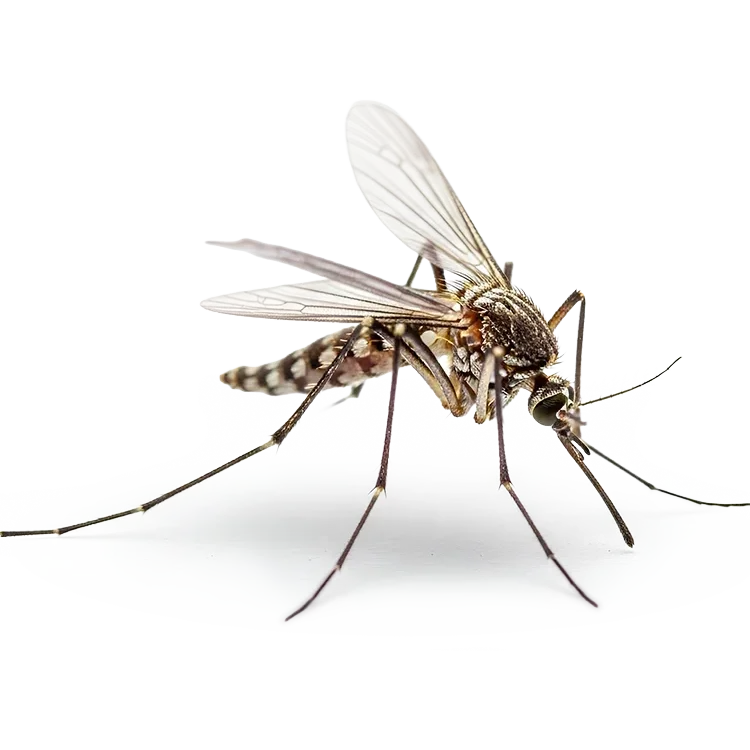
We provide expert control, treatment, and prevention for a wide range of pests, including:

  • Aphids
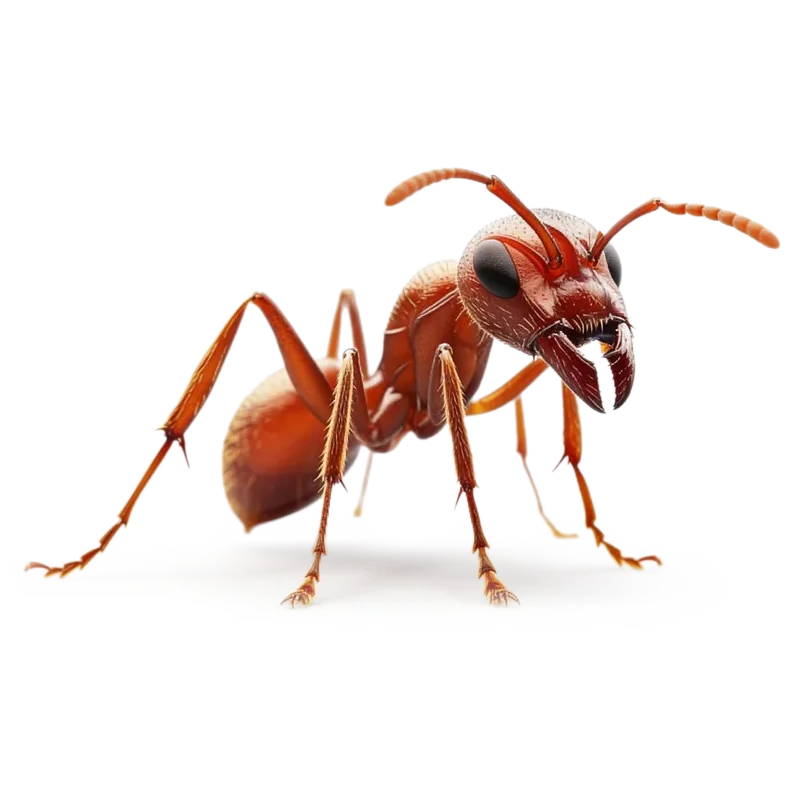
  • Ants (including fire ants)
  • Centipedes and Millipedes
  • Cockroaches
  • Fleas and Ticks
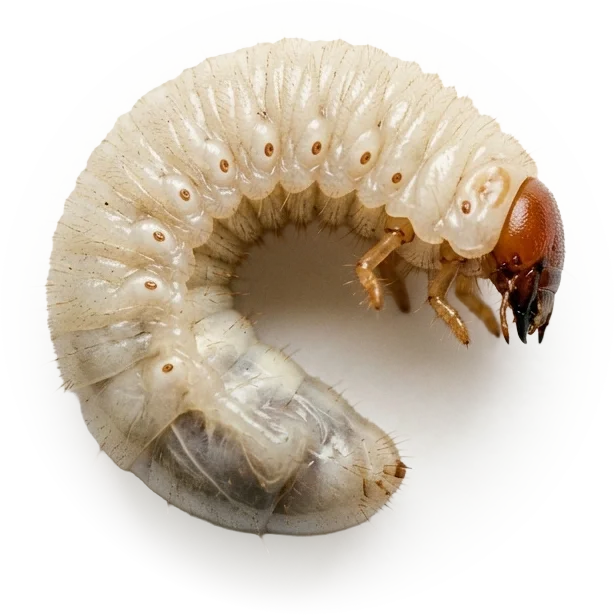
  • Grubs
  • Lawn pests
  • Mosquitoes
  • Rodents
  • Sod Webworms
  • Spiders
  • Termites
  • And More!
Get a Free Quote
Name
Contact Info
Address (autocomplete)
By submitting this form, you are agreeing to the privacy policy.
Validation
Submission
Image
BBB A+ Rating
Image
Quality Pro Logo
Image
green pro certified logo
Image
EPA logo