
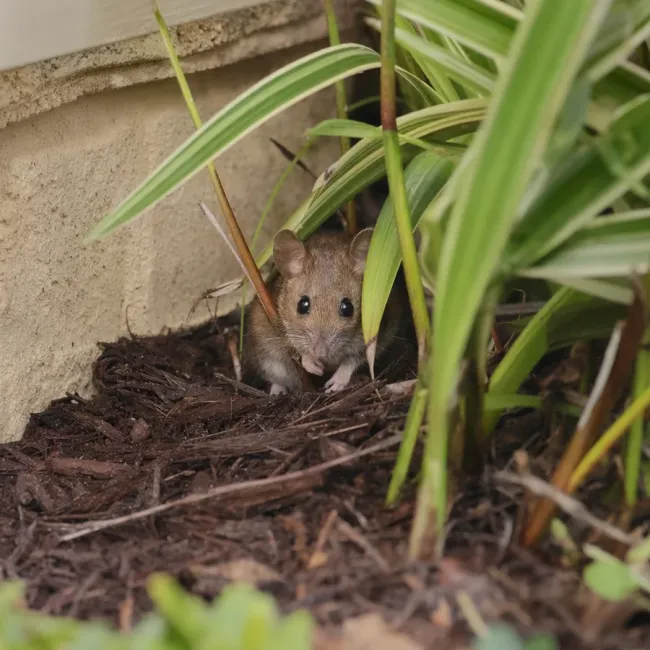
Professional Rodent Control in Royal Palm Beach, FL
Rodents are persistent, and most homeowners find that a one-time treatment rarely puts the problem to rest for good. They find new entry points, adapt to familiar traps, and move through walls in ways that are hard to track without a trained eye. That is why professional rodent control starts with a thorough property inspection, not just a quick look around. From there, a real solution combines trapping and baiting with exclusion methods that seal off the entry points rodents use to get inside in the first place. Hulett Environmental Services builds the service around what the property actually needs, with recurring visits scheduled as often as the situation calls for — not just when a calendar says so. For seasonal pressure or active infestations, that can mean up to five visits a month until activity is under control. Prevention strategies and ongoing exclusion work keep things from cycling back, so you are not starting from scratch every time the weather shifts or a new gap opens up.
Rodent control services available in Royal Palm Beach:
- Rodent Inspection
- Trapping
- Baiting
- Exclusion and Entry Point Sealing

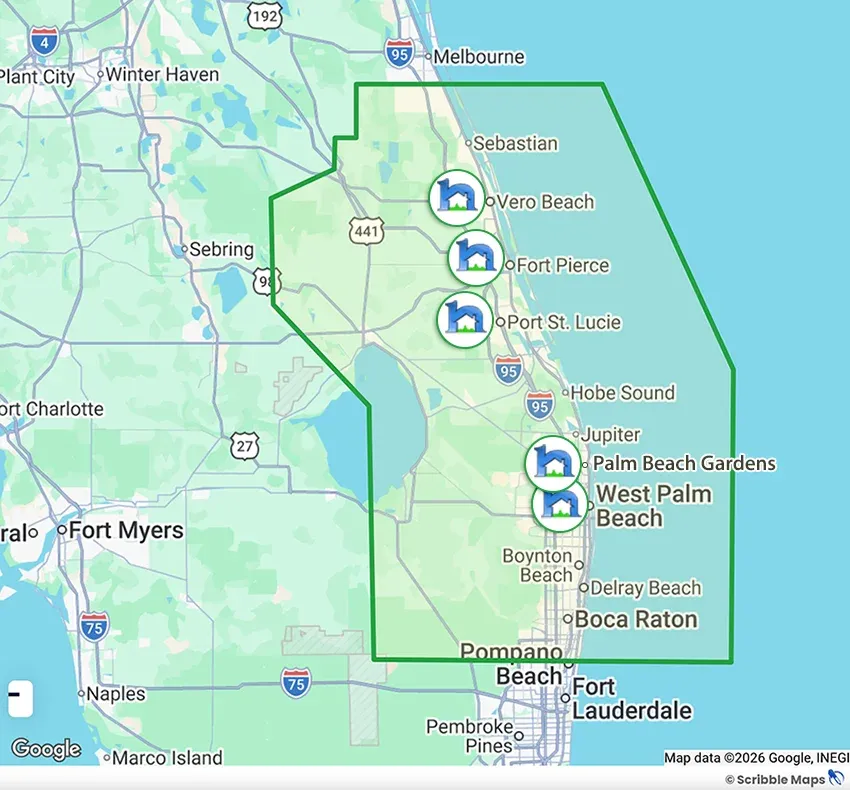
Additional Services in Royal Palm Beach
What to Expect When You Call About Rodent Control
Rodent Control done right means more than setting a trap and hoping for the best. Rodents get in through gaps you'd never think to check, and sealing those entry points is what actually solves the problem. That's the difference between a temporary fix and a real one, and it matters a lot when you have kids, pets, and a garden right outside the back door.
Here's how every visit works:
- Your technician sends an "on my way" text before arriving so you're never caught off guard.
- They knock to check in with you before getting started.
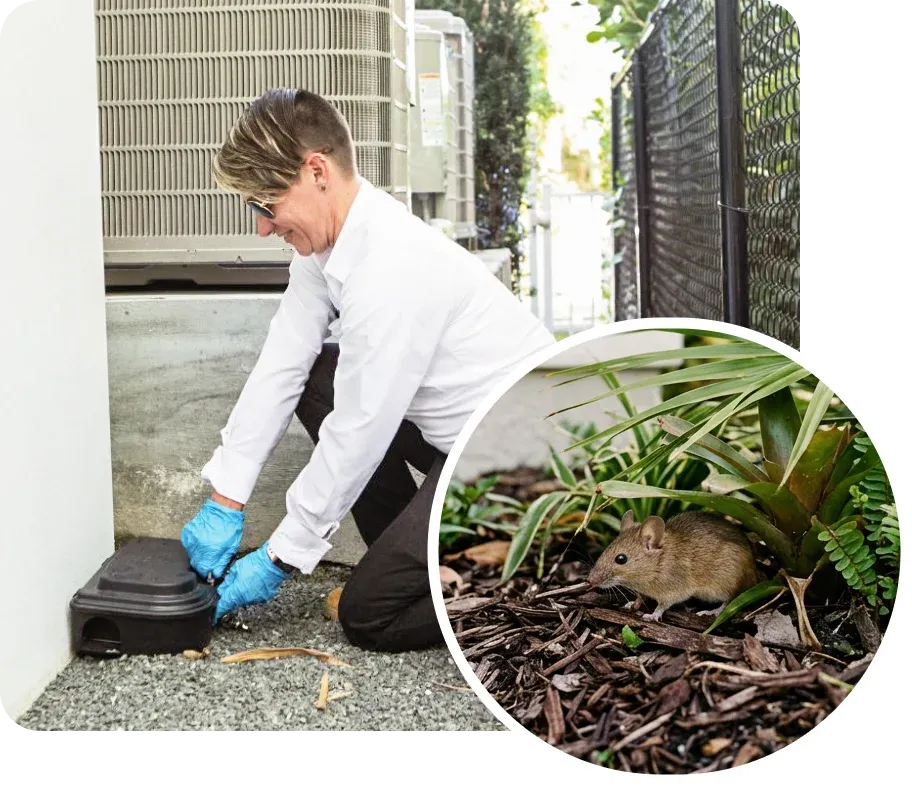
- A thorough inspection identifies active rodent activity and any entry points along the roofline, foundation, or utility penetrations.
- Treatment is applied using the right combination of trapping, baiting, and exclusion work based on what the property needs.
- They knock again when finished to walk you through what was found and what was done.
- You receive a detailed service report by email so you always have a record of the visit.
Visits are scheduled based on activity, not a calendar. During an active infestation, your technician can come back up to five times a month until the problem is resolved. Exclusion work comes with a warranty backed by a minimal monthly renewal, so your home stays protected well after the initial treatment is complete.
Why Hulett Environmental Services Is the Right Call for Rodent Control
Hulett has entomologists on staff, so the treatment plan behind every visit is grounded in real science, not guesswork. Technicians go through more than a month of combined classroom and hands-on training before they ever service a home on their own. Add in Greenpro-certified treatments that are EPA-approved and designed to be responsible around pets and plants, and you've got a rodent control program built for families who care about what goes into their home and yard. When you call, a real person picks up. Same-day and next-day appointments are available. And if rodents come back between visits, so do we, at no charge.
Highly Rated Rodent Control in Florida
Hulett Environmental Services has built a strong reputation across Florida by doing the things that actually matter to homeowners: showing up fast, communicating clearly, and sending technicians who know their stuff.
Neighbors consistently point to prompt scheduling, knowledgeable staff, and a service experience that feels personal, not transactional, as the reasons they keep coming back and recommend Hulett to friends.
How to Tell If Rats or Mice Have Moved Into Your Home
Rodents are good at staying out of sight, but they leave behind plenty of evidence. Most homeowners notice something is off long before they ever see an actual rat or mouse, and knowing what to look for can help you act before a small problem turns into a bigger one.
Common signs of a rodent problem in Florida homes include:
- Droppings near food storage areas, along baseboards, or inside cabinets
- Gnaw marks on wood, wiring, food packaging, or structural materials
- Scratching or scurrying sounds inside walls, ceilings, or attics, especially at night
- Nesting materials like shredded paper, insulation, or fabric tucked into hidden corners
- Grease smudges or rub marks along walls where rodents travel repeatedly
- A strong, musty odor in enclosed spaces like utility closets or under sinks
- Pet behavior changes, like dogs or cats pawing at walls or acting alert near baseboards
If any of these sound familiar, you are likely dealing with an active infestation. The longer rodents go unaddressed, the more access points they find and the more ground they cover inside your home.
Rodent Exclusion Services That Keep Mice and Rats Out for Good
Protecting Your Home and Family from Future Rodent Activity
Rodents get in through gaps that most homeowners never notice. A gap as small as a quarter inch is enough for a mouse to squeeze through, and rats need only slightly more room. Common entry points include deteriorating weatherstripping around garage doors, gaps where utility pipes and conduit enter the foundation, open weep holes in brick veneer, deteriorated soffits, and spaces where roof lines meet fascia boards. In South Florida, the warm, humid climate speeds up the breakdown of caulk, foam, and wood, which means structural vulnerabilities open up faster here than in cooler climates. That gives rodents more opportunities to find a way in, and it makes regular inspection and maintenance a real part of any long-term prevention plan.
Exclusion works by removing access entirely. A technician identifies every gap, crack, and opening a rodent could use, then seals those points with durable materials built to hold up against gnawing and weather. That includes galvanized steel mesh, hardware cloth, and rodent-resistant sealants chosen for the specific surface and location. Foam alone will not hold up against a determined rat, which is why the materials and installation method matter. Once entry points are sealed, rodents lose the access they depend on, and that is what makes exclusion the most effective way to prevent a repeat infestation.
Hulett Environmental Services backs its exclusion work with a warranty, maintained through a minimal monthly renewal that keeps your protection active over time. If you have questions about how the process works or what to expect, keep reading below.
Hulett Rodent Control
Frequently Asked Questions
Can I handle rodent control on my own?
While DIY rodent control products are available, they are often ineffective for large infestations or in cases where rodents have found safe harborage areas within your home. Professional rodent control is more comprehensive, as it includes inspection, exclusion, and long-term monitoring to prevent future infestations.
How do I prevent rodents from coming back?
To prevent future rodent infestations, consider the following tips:
- Seal entry points: Ensure windows, doors, vents, and foundations are secure.
- Remove food sources: Store food in airtight containers and dispose of trash regularly.
- Keep the environment clean: Clean up crumbs, spills, and pet food promptly.
- Trim trees and shrubs: Rodents often use branches to access roofs and attics, so keep trees trimmed away from the home.
What are the health risks of a rodent infestation?
Rodents can pose serious health risks due to the diseases and parasites they carry:
- Disease Transmission: Rodents can spread diseases such as salmonella, hantavirus, leptospirosis, and lymphocytic choriomeningitis virus (LCMV) through their urine, droppings, and saliva.
- Parasites: Rodents are known to carry fleas, ticks, and mites, which can infest your home and lead to additional health risks for humans and pets.
- Allergies: The dander from rodents, along with their droppings and urine, can trigger allergies and asthma in sensitive individuals.
What are the signs of a rodent infestation?
- Droppings: Small, dark droppings near food sources, entry points, or in hidden areas.
- Gnaw marks: Evidence of chewing on wires, furniture, food packaging, or insulation.
- Nesting material: Rodents will gather soft materials like fabric, paper, and insulation to create nests.
- Sounds: Scratching, scurrying, or squeaking noises, especially at night.
- Odor: A musty or urine-like smell, often indicating an active infestation
What causes a rodent infestation?
Rodents often seek shelter and food inside homes and businesses due to:
- Easy access to food: Open food containers, trash, or pet food are attractive to rodents.
- Entry points: Gaps around windows, doors, and vents, as well as cracks in foundations, provide access.
- Harborage: Warm, dry spaces in attics, basements, and behind walls offer a safe environment for rodents to nest and breed.
What kind of damage can rodents cause?
Rodents, especially rats and mice, have a strong instinct to chew. They can gnaw through various materials to gain access to shelter, including:
- Wood: Rodents can chew on wooden beams, walls, and floors, weakening the structural integrity of your home.
- Drywall: Mice and rats can chew through drywall, causing holes and exposing insulation.
- Insulation: Rodents often chew through insulation, leaving areas exposed and reducing your home's energy efficiency.
- Pipes and Wires: Rodents frequently chew on electrical wires, which can cause short circuits, electrical fires, or power outages. They can also damage water pipes and gas lines, leading to leaks and increased risk of water damage or gas hazards.
Rodents can damage personal items by chewing or nesting in them, such as furniture, clothing, books, and electronics.


Your Solution Starts with a Free Quote
Call 1-866-479-8095 now or complete the form.
We provide expert control, treatment, and prevention for a wide range of pests, including:
Aphids
Ants (including fire ants)
Centipedes and Millipedes
Cockroaches
Fleas and Ticks
Grubs
Lawn pests
Mosquitoes
Rodents
Sod Webworms
Spiders
Termites
And More!