

Mosquito Control in Port Salerno, FL
Mosquitoes have a way of taking over your outdoor space the moment you try to enjoy it. A backyard barbecue, an evening on the patio, kids playing in the yard — it only takes a few bites before everyone heads inside. The frustrating part is that without a consistent plan, mosquito activity just keeps coming back.
That is where recurring mosquito control makes a real difference. Mosquitoes breed fast, and standing water anywhere on your property can fuel a new generation in days. A professional assessment helps identify where breeding and resting activity is concentrated, so treatment targets the right spots. Hulett Environmental Services uses a combination approach, treating shrubs and greenery with a conventional barrier spray and offering In2Care bait stations as an optional upgrade for properties that need broader, longer-lasting population reduction. Seasonal and year-round options are both available, so you get a plan that fits your situation.
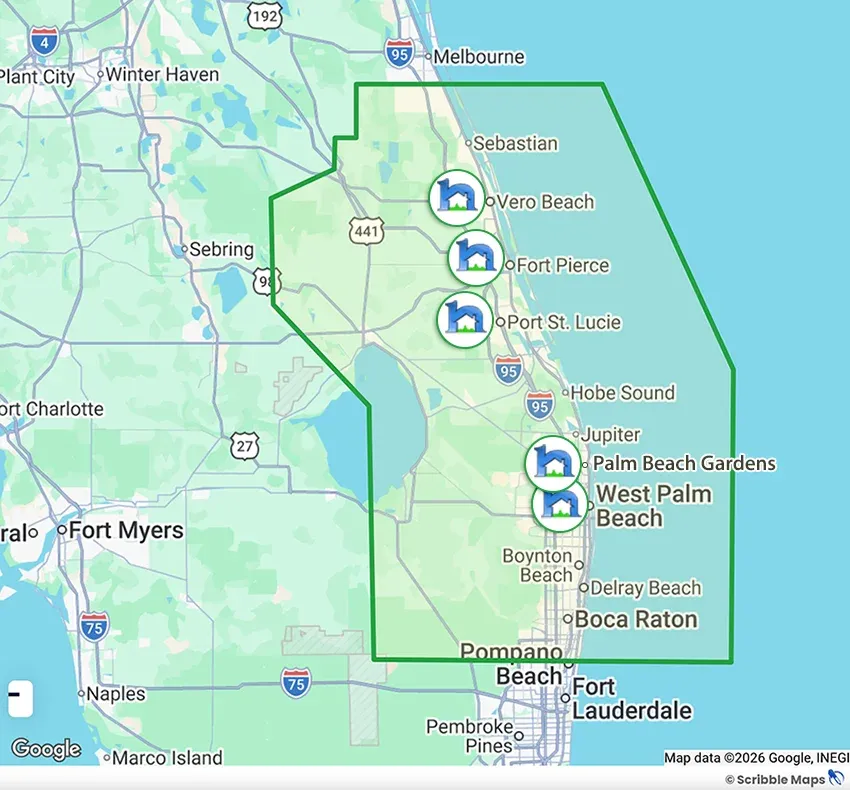
Mosquito control services available in Port Salerno:
- Recurring monthly mosquito treatments
- One-time mosquito service
- In2Care bait station installation
- Free re-treatments between scheduled visits

Additional Services in Port Salerno
Mosquito Control in Port Salerno That Actually Works
Mosquitoes in South Florida don't take a break when the weather cools down, and that means your yard can feel off-limits any time of year. A single female mosquito can lay up to 3,000 eggs in her lifetime, so waiting until they're already a problem usually means you're already behind.
Hulett Environmental Services takes a dual-method approach to mosquito control that goes beyond a basic barrier spray. Liquid treatments target adult mosquitoes in the shrubs and greenery where they rest and breed. For customers who want broader, longer-lasting protection, optional In2Care bait stations are available as an upgrade. These stations interrupt the breeding cycle at the larval stage, which helps reduce the overall population between visits, not just knock down what's active today.
Mosquito Services Built for Florida Yards
Here's what Hulett mosquito control includes for homeowners in Florida:
- Monthly recurring service with no seasonal gaps
- One-time service available if you're not ready for a recurring plan
- Optional In2Care stations as an add-on for more comprehensive coverage
- Free re-treatments if mosquito activity returns between scheduled visits
- Pairs easily as an add-on to an existing general pest control program
Free quotes are available by phone, and same-day or next-day scheduling means you won't be waiting long to get your yard back.
Why a Spray-Only Program Often Falls Short
Most spray-only programs only target adult mosquitoes, and that's a problem when new ones are hatching in standing water nearby. The combination of conventional spray and In2Care bait stations addresses both sides of that cycle, which is why Hulett offers it as a more complete option for homes that need consistent results.
Read on to learn more about what to expect from mosquito control and how to get the most out of your service.
Treatments That Are Friendly to Your Family and Your Yard
Hulett Environmental Services uses a reduced-risk, family-friendly approach to mosquito control. Treatments target breeding and resting areas on shrubs and greenery using drift-reduction practices and right-rate dosing, so the product goes where it needs to go and nowhere else. Your family can get back to enjoying the yard without worry.
Signs You Might Have a Mosquito Problem Around Your Home
Mosquitoes are active year-round in Florida, so there's rarely a "slow season" to give your yard a break. The warm, humid climate keeps breeding conditions favorable in every month of the year, which means pressure on your outdoor spaces never really lets up.
Common signs of mosquito activity around Florida homes include:
- Bites during the day, not just at dusk or dawn
- Standing water in planters, gutters, buckets, or low spots in the yard
- Swarms near shaded shrubs, tall grass, or dense ground cover
- Mosquitoes resting on the underside of leaves or in cool, shaded areas
- Larvae visible as tiny wriggling organisms in still water sources
If you're noticing any of these around your yard, patio, or pool area, the conditions are likely supporting an active breeding cycle nearby. Knowing what to look for is the first step toward getting your outdoor space back.
Hulett Mosquito Control
Frequently Asked Questions
Can I do anything to help reduce mosquitoes between treatments?
Yes—removing standing water (like birdbaths, clogged gutters, or unused containers), trimming overgrown shrubs, and keeping your lawn well-maintained all help reduce mosquito breeding areas.
Do I need to be home during treatment?
No, our technicians can treat your property while you're away. We'll coordinate timing that works for your schedule.
How long before I can use my yard after treatment?
Re-entry times vary by product type and your specific landscape. We'll provide specific guidance based on the treatment used - typically it's safe once surfaces are dry, but we'll give you exact timing.
How soon can I expect to see results?
Many customers notice a significant drop in mosquito activity within 24–48 hours after the first treatment. Consistent service helps maintain control all season long.
What about my vegetable garden?
We take special care around edible plants and can adjust our treatment plan or use food-safe products to protect your garden areas.
What attracts mosquitoes to my yard?
Mosquitoes are drawn to certain conditions around your yard that provide both breeding grounds and sources of attraction. Here’s what brings them in:
- Standing Water: Mosquitoes need standing water to lay their eggs. This could be in anything that holds water, like birdbaths, clogged gutters, flower pots, tire swings, or even puddles. It’s important to check for and eliminate standing water regularly.
- Overgrown Vegetation: Thick shrubs, tall grass, and dense foliage provide shelter for mosquitoes, giving them a cool, humid environment to rest in during the day. Mosquitoes are most active during dawn and dusk but will seek out hiding spots during hotter parts of the day.
- Shaded Areas: Mosquitoes love shade, especially during hot weather. Areas of your yard that don’t get much sunlight—like under trees, around tall bushes, or near structures—are prime spots for mosquitoes to hide out during the day.
- Organic Matter and Decaying Plants: Mosquitoes are attracted to decaying plant material where they can find moisture and nutrients. If you have compost piles or dense plant debris in your yard, this can draw mosquitoes.
- Excessive Moisture: If your yard is constantly damp due to poor drainage or overwatering, this can create the perfect environment for mosquitoes to thrive. Puddles or even wet soil from frequent irrigation can become breeding grounds.
- Certain Plants: While some plants (like citronella) are known to repel mosquitoes, others—like marigolds, jasmine, and lavender—can attract them due to their fragrance. Consider where you plant these in your yard.
What if it rains after treatment?
Light rain won't affect the treatment once it's dried. However, heavy rain may require rescheduling to ensure effectiveness.
Will mosquito treatment get rid of all mosquitoes?
No treatment can eliminate 100% of mosquitoes, but our program dramatically reduces their population and activity around your home, making your outdoor spaces much more enjoyable.
Will this work for my pool area?
Pool areas are common mosquito breeding spots. Yes, professional treatments are much more effective in these areas than DIY solutions, which typically only last 1-2 days.
Will you kill beneficial insects too?
This is a valid concern. While some treatments can impact beneficial insects, we offer eco-friendly options that minimize harm to pollinators and other beneficial species.


Your Solution Starts with a Free Quote
Call 1-866-479-8095 now or complete the form.
We provide expert control, treatment, and prevention for a wide range of pests, including:
Aphids
Ants (including fire ants)
Centipedes and Millipedes
Cockroaches
Fleas and Ticks
Grubs
Lawn pests
Mosquitoes
Rodents
Sod Webworms
Spiders
Termites
And More!